Bank of England (BoE)
Breaking: Bank of England keeps its policy rate at 3.75%

At its September meeting, the Bank of England (BoE) held its policy rate at 3.75%, as markets had anticipated. The vote, however, exposed a split on the Monetary Policy Committee (MPC) as three members supported a 25-basis-point hike.
British Pound: BoE holds but inflation risks linger – OCBC
OCBC strategist Christopher Wong notes that the Bank of England (BoE) kept Bank Rate at 3.75% in a 6–3 vote while highlighting a more challenging inflation backdrop, with Consumer Price Index (CPI) seen near 3.75% in Q4 and above 4% in early 2027.
British Pound: BoE on hold sparks Sterling softness – Danske Bank
Danske Bank’s Danske Research Team highlights that the Bank of England left Bank Rate at 3.75% with a 6-3 vote, disappointing hawkish market expectations and triggering GBP weakness and lower rates.
Latest BoE related News
TOP BROKER
Related content
Big Picture
What is the BOE?
Founded in 1694, the Bank of England (BoE) is the central bank of the United Kingdom (UK). Known as ‘The old lady of Threadneedle Street’, the bank’s mission is "to promote the good of the people of the United Kingdom by maintaining monetary and financial stability".
The Bank of England is responsible for maintaining the UK’s economic stability. It operates monetary policy by adjusting the Bank Rate and, in certain circumstances, supplements this with measures such as quantitative easing.
The Bank of England decides monetary policy for the United Kingdom. Its primary goal is to achieve a steady inflation rate of 2%. Its tool for achieving this is via the adjustment of base lending rates. The BoE sets the rate at which it lends to commercial banks and banks lend to each other, determining the level of interest rates in the economy overall. This also impacts the value of the Pound Sterling (GBP).
The official website, on X and YouTubeWho is BOE's Governor?
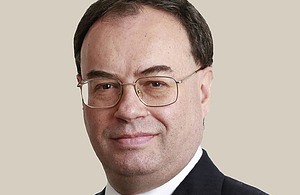
Andrew Bailey has been the Governor of the BoE since March 2020 and his appointment ends on March 2028. Previously, he served in the BoE as its Chief Cashier, Deputy Governor for Prudential Regulation and Chief Executive of the Financial Conduct Authority.
Interest rates latest news
The World Interest Rates Table
The World Interest Rates Table reflects the current interest rates of the main countries around the world, set by their respective Central Banks. Rates typically reflect the health of individual economies, as in a perfect scenario, Central Banks tend to rise rates when the economy is growing and therefore instigate inflation.